Regent Security – Vancouver Security Services – Professional licensed security guards in Vancouver. 24/7 building security, concierge, construction site protection, hotel security, and fire watch services. 15+ years, 1000+ clients. Request a quote.

Tag: Regent Security Services

  • Certified Security Guard Training BC Explained: Requirements

    Certified Security Guard Training BC Explained: Requirements

    Table of Contents

    Certified Security Guard Training in British Columbia

    To ensure the highest level of professionalism, every Regent Security guard undergoes certified security guard training in BC. This mandatory training equips our personnel with the essential skills to protect your property and maintain a safe environment.

    All security guards in British Columbia must complete the 40-hour Basic Security Training (BST) program. This foundational course, regulated by the BC Ministry of Public Safety and Solicitor General, covers critical topics such as legal authorities, emergency procedures, and effective communication skills. In addition to the BST, specialized roles may require advanced certifications in use of force or standard first aid, enhancing a guard’s ability to manage complex situations.

    After successfully completing the BST through an approved provider, individuals must apply for a BC security worker license from the provincial government. The application process includes a criminal record check and ensures that every licensed professional meets strict security license requirements in BC. At Regent Security, we manage all compliance details, ensuring our more than 100 professionals have fulfilled every mandatory step before their first assignment.

    The importance of certified training cannot be overstated. Adherence to these provincial standards is our commitment to delivering “Unmatched security expertise.” When you need to hire security guards for your property, you can trust that our fully licensed and insured team has undergone this rigorous preparation. We believe this training is the bedrock of “Your peace of mind.”

    Understanding BC Security Worker License Requirements

    To work as a security guard in British Columbia, individuals must meet specific licensing prerequisites set by the province. Understanding certified security guard training BC requirements is the first step toward a professional career in this field. We know that navigating the path to a bc security worker license can seem complex, but breaking down the training components makes it manageable. Here we outline the mandatory courses every applicant must complete and the optional certifications that can help you advance.

    Mandatory Training for BC Security Guards

    Before you can apply for your license, you must finish three mandatory training components. These core courses are non-negotiable and form the foundation of your security license requirements bc. The primary requirement is the Basic Security Training (BST) program. This comprehensive 40-hour course is issued by the Justice Institute of British Columbia and covers essential topics like legal responsibilities, professional ethics, patrolling, and emergency procedures.

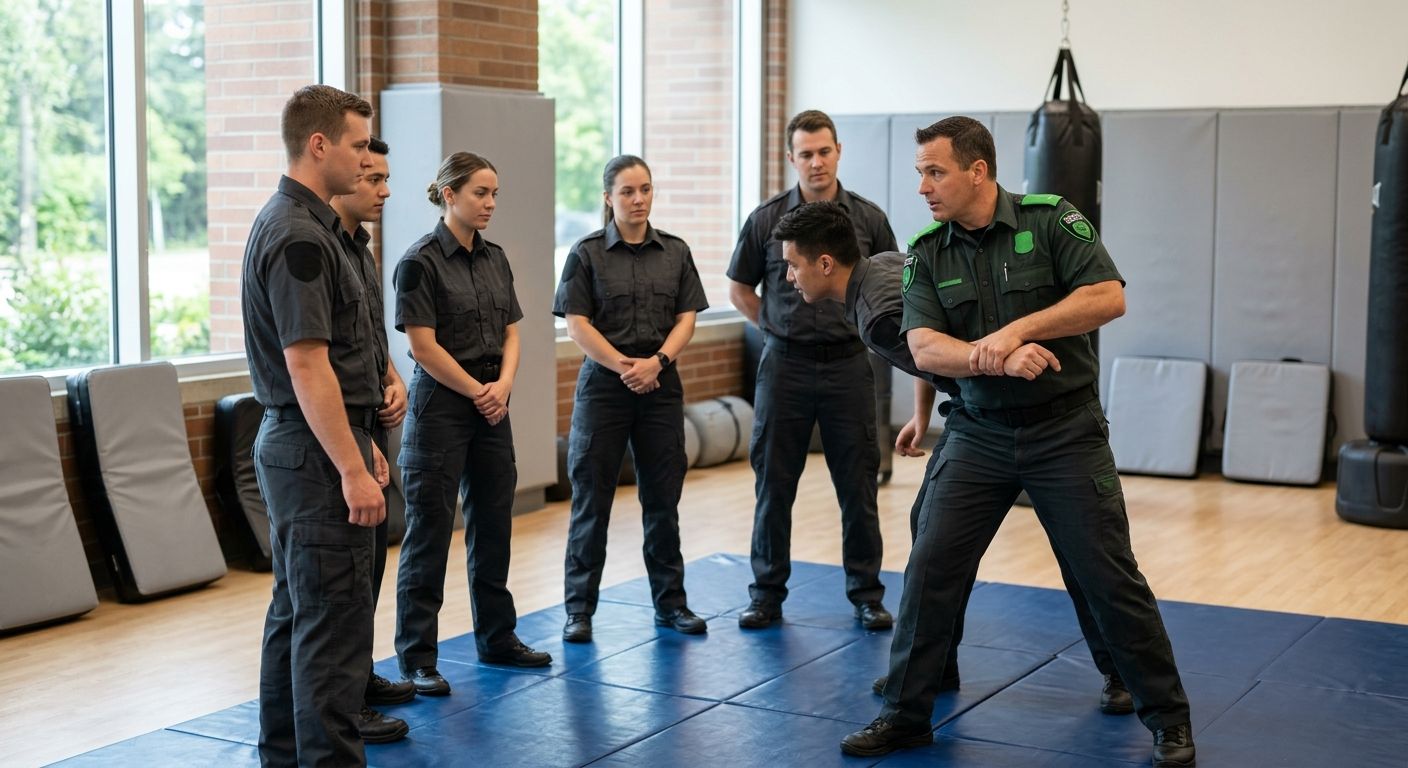
    In addition to the BST, you are required to complete an 8-hour Use-of-Force training module. This course is offered by the Justice Institute of BC or another approved provider and ensures you understand the legal parameters around physical intervention. Finally, you must hold a valid Emergency First Aid certificate. This 8-hour program needs to be from a WorkSafeBC-approved provider. Together, these three certifications prove you have the baseline knowledge required for public safety and professional conduct in British Columbia. It is important to note that while completing this training is a critical step, final license approval is subject to additional criteria set by the provincial government.

    Optional Advanced Certifications

    Once you hold your foundational certifications, you might consider pursuing optional training to expand your capabilities and career opportunities. Advanced Security Training (AST) is a 40-hour program offered by the Justice Institute of BC. This course delves into more specialized subject matter, giving you hands-on knowledge of tools and techniques like handcuffing and firearms handling, which are not covered in the basic curriculum. Earning an AST certification demonstrates a higher level of commitment to the profession and can prepare you for more specialized security assignments in the field.

    The following table provides a clear comparison of mandatory and optional training components for security professionals in British Columbia:

    Mandatory vs. Optional Training for BC Security Guards
    Training TypeMandatory/OptionalHoursIssuing Body
    Basic Security Training (BST)Mandatory40Justice Institute of BC
    Use-of-ForceMandatory8JIBC or approved provider
    Emergency First AidMandatory8WorkSafeBC approved
    Advanced Security Training (AST)Optional40JIBC

    The table highlights that while 56 hours of mandatory training are required for all applicants, adding the optional 40-hour AST program allows individuals to differentiate themselves further. Understanding these distinctions is vital for planning your career path in security.

    Advanced Certifications and Specialized Training for BC Security Guards

    The security industry in British Columbia demands continuous professional development. While obtaining a bc security worker license is the foundational step for any guard, advanced certifications distinguish professionals who are committed to excellence. Regent Security views these qualifications as essential, not optional, because they directly translate to Unmatched security expertise for our clients. From complex physical intervention protocols to emergency medical response, advanced training ensures our team is prepared for any scenario, truly embodying our ethos that your safety is our story.

    Beyond the Basic License: Why Advanced Certifications Matter

    In British Columbia, the security license requirements bc provide a baseline competency, but modern security roles require far more specialized knowledge. Advanced certifications demonstrate a guard’s dedication to their craft and significantly enhance their employability and effectiveness on site. These credentials bridge the gap between basic monitoring and proactive, professional protection. They equip security personnel with the skills to handle medical emergencies, de-escalate volatile situations, and manage specialized environments like construction zones or luxury hotels. When you hire security guards from Regent Security, you benefit from our team’s advanced certifications and specialized training, ensuring a higher standard of service wherever we operate.

    Key Advanced Certifications for BC Security Guards

    Pursuing advanced security training in BC opens doors to diverse and rewarding roles. While the basic license permits a person to work, specialized certifications define their career path. Regent Security actively supports our personnel in obtaining these qualifications, which align with WorkSafeBC standards and best practices outlined by institutions like the Justice Institute of British Columbia. The following certifications represent the core training that elevates our guards from standard officers to specialized security professionals, ready to serve with confidence anytime, anywhere.

    Use-of-Force Certification

    This certification is considered mandatory for all security guards at Regent Security, reflecting the critical nature of safe physical intervention. The comprehensive program requires an initial 8-hour course followed by an annual refresher to maintain validity. Training focuses on legal responsibilities, de-escalation techniques, and controlled physical control tactics. This ensures that if a situation ever requires hands-on intervention, our guards act lawfully and effectively, minimizing risk to themselves and the public.

    Emergency Response (First Aid/CPR)

    Emergency response training is a non-negotiable requirement for security professionals, equipping them to manage medical incidents until first responders arrive. Standard certification involves an 8-hour initial course, with a 4-hour annual recertification to stay current with WorkSafeBC regulations. Whether responding to a slip-and-fall at a hotel or a cardiac event at a construction site, our guards serve as crucial first responders. For our clients, knowing that our team holds these life-saving credentials provides genuine Your peace of mind every day.

    Fire Watch Certification

    For guards stationed at construction sites or large-scale public events, fire watch certification is a critical asset. This focused training, typically condensed into a 4-hour initial session, teaches guards to identify fire hazards, monitor hot work operations, and execute evacuation protocols. While renewal is generally employer-driven, the skills are vital for maintaining site safety during vulnerable periods, such as when sprinkler systems are offline.

    Concierge and Hotel Security Training

    Specialized training for concierge and hotel security roles represents the intersection of security and hospitality. These 8-hour certification courses emphasize customer service skills, professional access control procedures, and loss prevention strategies. Guards learn to balance a welcoming presence with stringent security protocols, managing visitor logs, monitoring luggage, and handling guest disturbances discreetly. For Vancouver’s high-end residential towers and busy hotels, this training ensures that security personnel enhance the guest experience while maintaining an uncompromising safety standard.

    Steps to Obtain Your BC Security Worker License and Deploy with Confidence

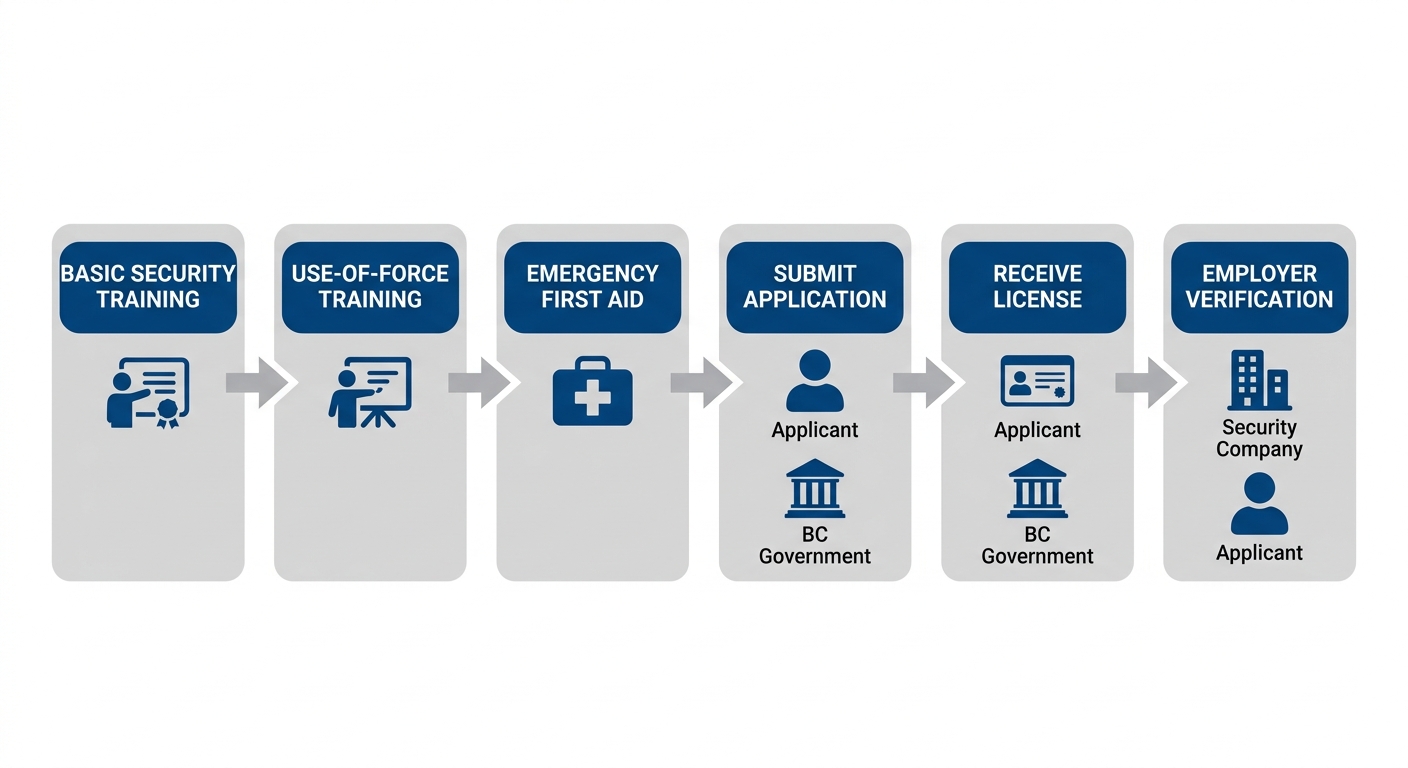
    Now that you understand why licensing matters, let’s walk through the exact steps to obtain your BC Security Worker License and get deployed with confidence. The certified security guard training BC requires combines mandatory coursework, a government application, and verification by a reputable employer. The following table outlines every stage of the process at a glance.

    Advanced Certifications for BC Security Guards
    CertificationFocus AreaDurationRenewal PeriodTypical Roles
    Use-of-ForcePhysical intervention & control8 hours initial + annual refresher1 yearAll security guards
    Emergency Response (First Aid/CPR)Medical emergencies8 hours initial + 4 hours annual1 yearAll security guards
    Fire WatchFire prevention & response4 hours initialNo renewal (employer-specific)Construction & event security
    Concierge SecurityCustomer service & access control8 hours initialNo renewal (employer-specific)Building & hotel security
    Hotel SecurityGuest safety & loss prevention8 hours initialNo renewal (employer-specific)Hotel security guards
    Six-step horizontal process flow for obtaining a BC Security Worker License in British Columbia, with stages from basic training through employer verification.

    Six steps to obtain your BC Security Worker License and deploy.

    Mandatory Training Prerequisites

    Before you can apply for a bc security worker license, you must complete three mandatory training components. The cornerstone is Basic Security Training, a 40-hour course that covers legal authorities, communication skills, report writing, and emergency procedures. According to our internal training guidelines, this program ensures every candidate understands the legal boundaries and professional standards required in British Columbia. Most applicants complete BST within one to two weeks through an approved training provider.

    The second requirement is an 8-hour Use-of-Force training course, which teaches physical intervention and control techniques. This training emphasizes proportional response and aligns with the de-escalation principles we reinforce at Regent Security. The third prerequisite is an 8-hour WorkSafeBC-approved Emergency First Aid certification. Together, these three components form the foundation of certified security guard training BC employers expect, and our team verifies each certificate before moving candidates forward.

    Submitting Your License Application

    Once you have completed your training, the next phase addresses the security license requirements bc enforces. You must submit your application to the BC Security Programs Division, providing proof of all completed training, undergoing a criminal record check, and paying the required application fee. Processing typically takes two to four weeks, after which the province issues your Security Worker License.

    Verifying Company Licensing and Insurance

    When you are ready to work, or if you are a business hiring security personnel, verifying a security company’s licensing and insurance is essential. Start by requesting the company’s license number and then cross-reference it with the BC Security Programs Division to confirm the firm is in good standing. You should also ask for proof of insurance, which reputable providers keep current and readily available.

    From Training to Deployment: Regent Security’s Approach

    Once a guard holds a valid bc security worker license, our focus shifts to preparing them for the field. We verify each individual’s license and insurance, then layer on site-specific training that reflects the unique demands of concierge, building, construction, and event security roles. With over 15 years of experience and a team of more than 100 licensed professionals, we understand what it takes to transition from classroom learning to real-world deployment.

    Beyond Basic Training: Use-of-Force and Emergency Response Certifications

    While a basic security worker license is the foundation for any career in this field, advanced certifications in use-of-force and emergency response elevate a guard’s capabilities far beyond the core requirements. For those pursuing certified security guard training in BC, these specialized programs represent a commitment to professional excellence and operational readiness. They complement the BC security worker license and ensure guards meet evolving security license requirements in BC while being prepared for the complex, dynamic situations they may encounter in the line of duty.

    Frequently Asked Questions About Security Guard Training in British Columbia

    Here are answers to common questions about security guard training in British Columbia.

    What does certified security guard training in BC involve?

    Certified security guard training in BC covers the Basic Security Training (BST) course mandated by the province. According to Regent Security’s internal guidelines, this program typically requires about 40 hours to complete and includes essential topics like legal responsibilities, report writing, and emergency procedures.

    What are the prerequisites for security guard training in BC?

    The primary security license requirements BC mandates include a clean criminal record check and meeting a minimum age threshold, which is generally 19 years old. We ensure all our team members meet or exceed these foundational criteria before they begin their field preparation.

    Your Partner in Certified Security Guard Training and Deployment

    As a leading provider of certified security guard training BC, we ensure every candidate is prepared to meet the requirements for their BC security worker license. Our comprehensive programs cover all security license requirements BC, giving recruits the skills needed for real-world challenges. From hotels and construction sites to high-profile events, we deploy our trained professionals to safeguard what matters most. For details on our competitive pricing, see our FAQ on security guard cost in British Columbia. Contact us today for a custom quote and experience unmatched security expertise.

    Resources

  • Best Construction Site Security for Theft Prevention in 2026

    Best Construction Site Security for Theft Prevention in 2026

    Table of Contents

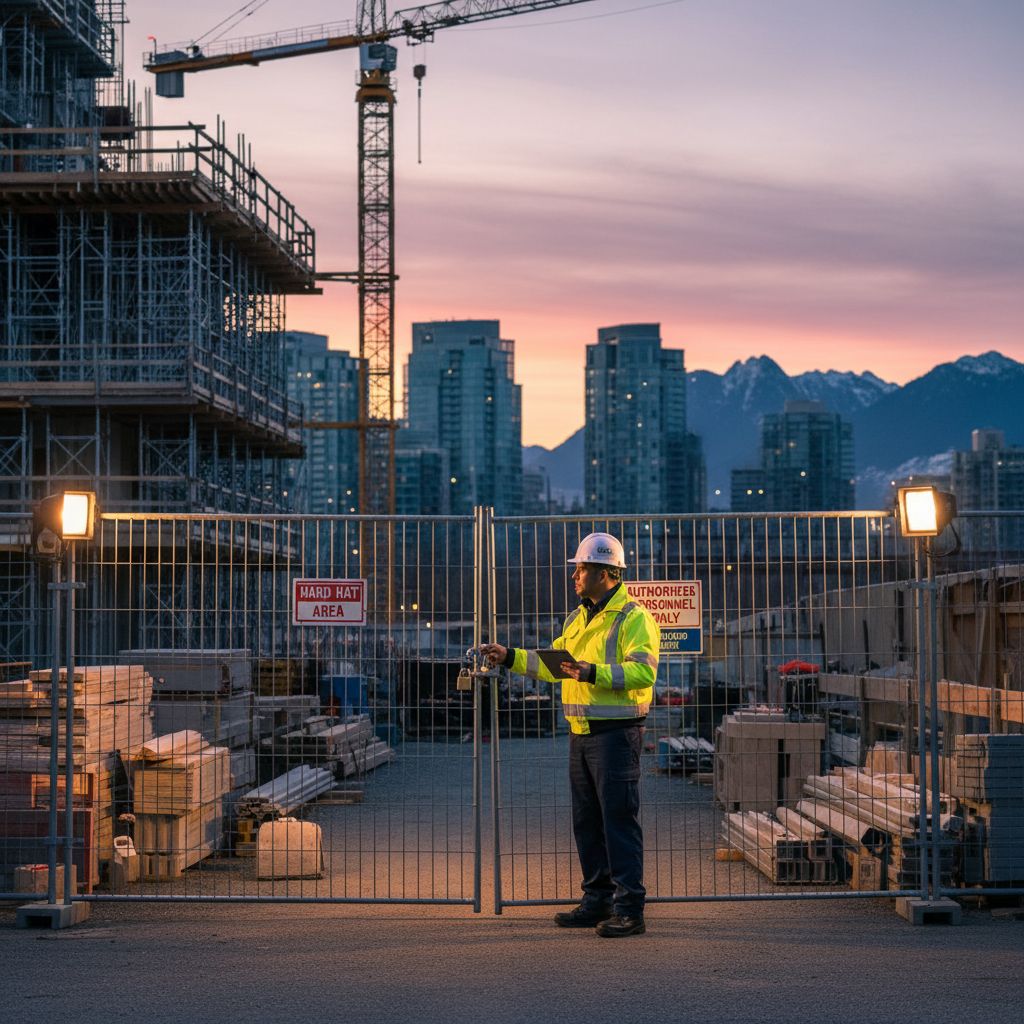
    Essential Construction Site Security in Vancouver

    In the bustling construction landscape of Vancouver, British Columbia, the demand for robust construction site security in Vancouver has never been greater. With the Lower Mainland experiencing a surge in building projects amid urban expansion in areas like Burnaby and Surrey, incidents of theft and vandalism have risen by over 20% in recent years. Construction site theft prevention is essential to safeguard valuable equipment and materials from opportunistic intruders, ensuring projects stay on track and within budget.

    At Regent Security, we provide comprehensive solutions tailored to the unique challenges of construction sites. Our licensed and insured guards deliver 24/7 coverage with same-day deployment capabilities, serving over 1,000 clients across Vancouver and the surrounding regions. We integrate advanced construction site surveillance through CCTV monitoring and mobile patrols, along with dedicated fire watch teams, to prevent unauthorized access and respond swiftly to threats. Our technology-enabled approaches, including real-time alerts and customized risk assessments, offer cost-effective protection that minimizes losses and enhances site safety.

    This guide explores essential site protection measures in BC, starting with understanding common vulnerabilities and risks. We will cover the benefits of integrated security strategies, implementation tips for Vancouver construction safeguarding, and best practices to evaluate providers. Whether you are a contractor or property manager, discover how our personalized quotes can secure your next project—contact us today for a consultation.

    Understanding Construction Site Security Needs

    Construction sites in the Lower Mainland face unique challenges that demand robust security measures. We at Regent Security recognize that effective construction site security in Vancouver requires a thorough understanding of local risks, compliance standards, and assessment strategies. By addressing these elements, firms can safeguard their projects and minimize disruptions.

    Common Risks in Vancouver Construction Projects

    Vancouver’s booming construction sector, particularly high-rise developments in Surrey, exposes sites to significant threats. Equipment theft stands out as a primary concern, with tools, copper wiring, and heavy machinery often targeted due to their high resale value. According to BC statistics, annual losses from such incidents exceed $5 million in the Lower Mainland, driven by economic pressures and urban density that facilitate quick getaways for thieves.

    Vandalism and unauthorized access further compound vulnerabilities, leading to project delays and increased costs. Rising trends in construction site theft prevention needs stem from opportunistic crimes, where unsecured perimeters invite intrusions. We see these issues frequently in Vancouver site risk management, where material pilfering disrupts timelines and escalates insurance premiums. Addressing these risks early helps maintain project momentum and protects investments.

    Benefit CategoryTraditional Guards OnlyRegent’s Integrated Solutions
    Relies on presence; 30-50% deterrenceGuards + CCTV/AI; 70-90% reduction with monitoringN/A
    Basic patrols; manual reportingAutomated logs; BC regulation alignmentN/A
    Higher ongoing labor costsScalable tech reduces long-term expensesN/A

    This table highlights key vulnerabilities and starting steps, underscoring the need for proactive BC project protection strategies. For instance, in densely populated areas like Burnaby, combining physical barriers with surveillance reduces exposure significantly.

    Regulatory Requirements for Site Protection in BC

    Compliance with British Columbia’s occupational health and safety regulations is essential for construction firms operating in Canada. The Workers’ Compensation Act’s Occupational Health and Safety Regulation, particularly Part 4 on buildings and equipment, mandates safe work areas, including controlled access to prevent unauthorized entry and hazards like slipping or falling materials. Section 4.1 requires employers to ensure workplaces are free from risks, directly impacting security protocols for surveillance and emergency preparedness.

    We recommend integrating construction site surveillance to meet these standards, such as illumination requirements under Section 4.40 that specify minimum lighting levels to enhance visibility and deter intrusions. For Vancouver projects, this includes ventilation and air quality controls to support worker safety during extended hours. Failure to adhere can result in fines or shutdowns, so firms must conduct regular inspections as outlined in the regulation’s maintenance records provisions.

    Building security services in Vancouver often incorporate these elements, ensuring sites align with BC guidelines. By prioritizing regulatory adherence, companies not only avoid penalties but also foster a secure environment that supports efficient operations.

    Assessing Your Project’s Security Gaps

    Evaluating your construction site’s specific risks begins with a structured self-audit tailored to Vancouver’s urban challenges. Start by mapping the site layout, identifying high-value assets like machinery in Surrey high-rises, and noting entry points vulnerable to theft or vandalism. We suggest using a checklist to review perimeter fencing, lighting, and access controls against common gaps.

    Key steps include:

    • Conduct walkthroughs during off-hours to simulate threats and check for blind spots.
    • Review incident logs for patterns, such as repeated unauthorized access attempts.
    • Consult team feedback on perceived weaknesses, incorporating weather-related risks like fog in the Lower Mainland.

    Tools like risk assessment templates from WorkSafeBC can guide this process, helping quantify potential impacts. Once gaps are identified, prioritize solutions such as enhanced patrols or technology integration. This approach in Vancouver site risk management empowers firms to customize protections, ensuring compliance and resilience against evolving threats.

    Benefits of Construction Site Security Services

    In Vancouver’s dynamic construction landscape, implementing robust security measures delivers substantial value by safeguarding assets, ensuring regulatory adherence, and streamlining operations. We’ve observed firsthand how these services mitigate risks identified in common vulnerabilities, fostering smoother project execution across the Lower Mainland. This section outlines key advantages, from financial protections to technological enhancements, helping commercial stakeholders evaluate options for their sites.

    Theft Deterrence and Financial Savings

    Effective construction site security in Vancouver begins with proactive deterrence, where trained guards and surveillance systems significantly curb theft incidents. Industry data from British Columbia indicates that unprotected sites face average losses exceeding $10,000 per month from stolen tools and materials, but patrols combined with cameras can achieve up to 80% reduction in such occurrences. This not only preserves capital but also translates to tangible construction site theft prevention outcomes, such as lowered insurance premiums—potentially 20-30% savings for compliant projects in high-risk areas like Burnaby.

    Beyond immediate deterrence, these measures yield strong ROI through avoided downtime and recovery costs. For instance, a Vancouver project avoiding a single major theft event could save upwards of $50,000, based on regional loss prevention reports. We’ve seen these financial safeguards enable faster timelines and budget adherence, making security an essential investment rather than an expense. By integrating visible and technological deterrents, firms in the Lower Mainland protection gains become evident, supporting sustained project viability.

    Enhanced Compliance and Safety Standards

    Security services play a pivotal role in upholding British Columbia’s stringent construction regulations, including WorkSafeBC guidelines that mandate hazard mitigation on sites. Integrated approaches ensure ongoing patrols and access controls align with these standards, reducing liability exposure and enhancing worker protection in dense urban environments like the Lower Mainland. This compliance focus not only averts fines—averaging $5,000-$15,000 for violations—but also fosters a safer workplace, with reported incident reductions of up to 40% through vigilant monitoring.

    Moreover, these standards promote comprehensive safety protocols, such as emergency response coordination and documentation of site activities. In our deployments, we’ve noted how structured security contributes to fewer accidents, bolstering morale and productivity among crews. For Vancouver-area projects, this translates to smoother audits and insurance qualifications, underscoring the regulatory benefits that integrate seamlessly with operational needs. Ultimately, prioritizing compliance elevates overall site integrity and supports long-term risk management.

    Technology-Driven Efficiency Gains

    Leveraging advanced tools like AI-enhanced CCTV elevates construction site surveillance to new levels of precision, enabling real-time threat detection across British Columbia sites. These systems provide instant alerts for unauthorized access, allowing rapid interventions that minimize disruptions—often resolving issues within minutes compared to hours with manual methods. In fast-paced Vancouver developments, this efficiency directly impacts timelines, reducing potential delays from security breaches by up to 50%.

    Checkpoint software and mobile reporting further streamline workflows, offering digital logs that track personnel and equipment movements. We’ve implemented these in Lower Mainland projects, witnessing operational gains through data-driven insights that optimize guard routes and resource allocation. Such technology not only amplifies response capabilities but also integrates with broader site management, ensuring Vancouver security advantages in high-density zones. By adopting these innovations, construction firms achieve scalable protection that evolves with project demands.

    Evaluating security options requires considering how traditional methods stack against integrated solutions. The following table compares key benefits, drawing from industry frameworks and BC construction reports on loss averages.

    Practice AreaBasic ImplementationAdvanced with Technology
    Fencing and signageFencing + AI motion detectionN/A
    Night patrolsCCTV with live alertsN/A
    Manual logsDigital checkpoint softwareN/A

    This comparison highlights the superiority of blended approaches, where Regent’s solutions combine human expertise with technology for enhanced outcomes. For decision-makers, these metrics illustrate potential cost efficiencies and risk mitigations, particularly when extending coverage to areas like security services in Surrey. In our experience, such integrations deliver measurable value, aligning with project goals while providing your peace of mind anytime, anywhere.

    How Construction Site Security Works

    At Regent Security, we deliver robust construction site security solutions tailored to the unique challenges of Vancouver’s dynamic building landscape. Our integrated approach combines skilled personnel, advanced technology, and streamlined protocols to safeguard projects from theft, vandalism, and unauthorized access. By aligning with local regulations and leveraging cutting-edge tools, we ensure your construction site remains protected throughout every phase, providing your peace of mind anytime, anywhere.

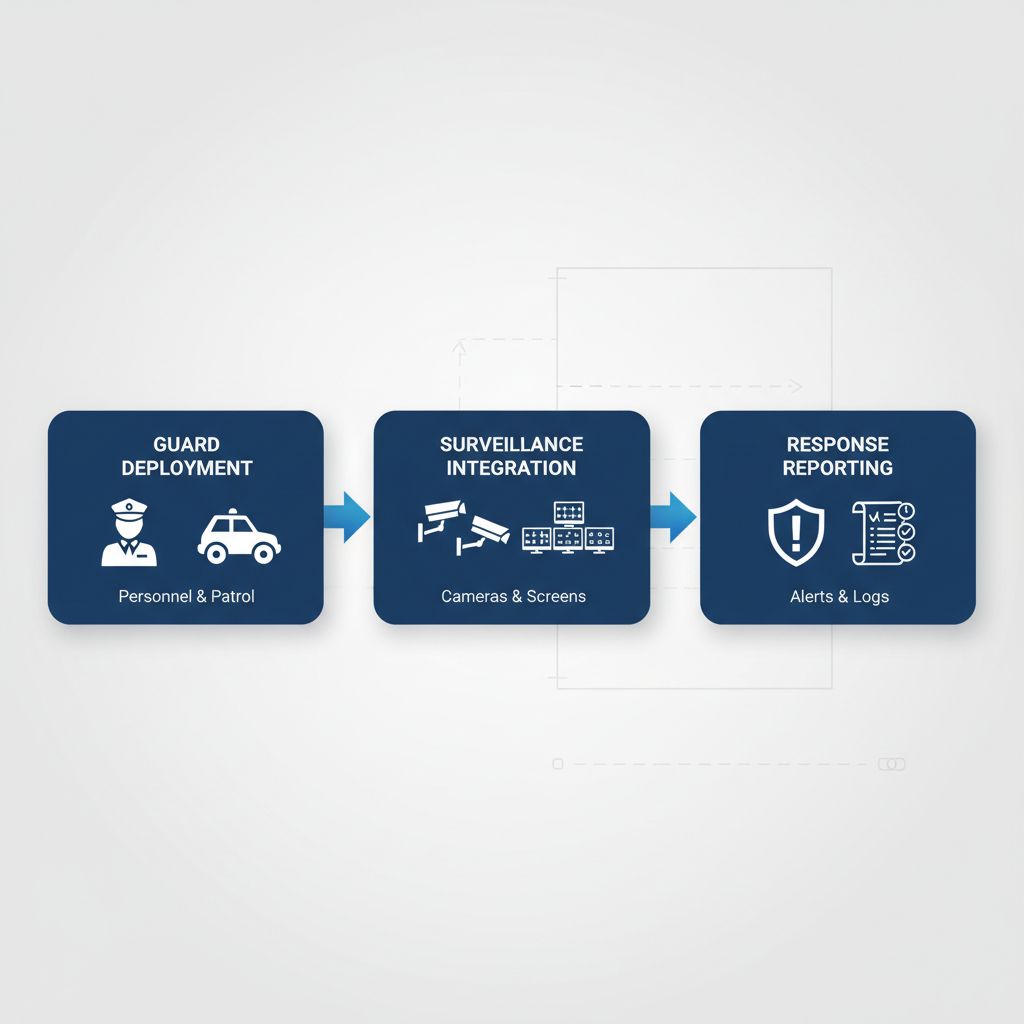
    Guard Deployment and Patrol Protocols

    Our guard deployment process begins with a thorough site assessment to identify high-risk areas, such as material storage zones and entry points. We assign licensed professionals trained in de-escalation and emergency procedures, ensuring compliance with the occupational health safety regulation in British Columbia. For construction site security in Vancouver, we offer same-day availability, deploying guards within hours of request to minimize vulnerabilities during off-hours.

    1. Initial Consultation: We discuss your project’s scope, timeline, and specific threats to customize guard schedules.
    2. Assignment and Briefing: Guards receive site-specific training, including perimeter patrol routes and interaction protocols with workers.
    3. Patrol Execution: Mobile units conduct randomized checks every 30 minutes, with response times under 15 minutes for immediate concerns.

    This structured deployment enhances Vancouver operational security, allowing seamless integration with your construction timeline while deterring potential intruders through visible presence.

    Surveillance and Technology Integration

    We install comprehensive surveillance systems designed for the rugged demands of BC construction environments, starting with strategic CCTV placement at key vantage points like gates and equipment yards. Construction site surveillance integrates high-resolution cameras with night vision and weather-resistant housings to maintain continuous monitoring, even in Vancouver’s variable climate.

    AI-driven tools elevate this setup by enabling real-time anomaly detection, such as unauthorized movement or tool mishandling. Drawing from emerging technologies like predictive analytics, our systems analyze patterns to forecast risks, aligning with future-proof strategies projected for 2026. This includes wearable sensors on workers for proximity alerts and drone-assisted overviews for expansive sites.

    Access control systems further fortify perimeters with keycard readers and biometric scanners, granting tiered permissions to contractors and staff. BC site monitoring processes ensure all footage is securely stored and accessible via our centralized platform, facilitating quick reviews without disrupting operations.

    Horizontal process flow diagram illustrating three stages of construction site security: guard deployment, surveillance integration, and response reporting.

    Step-by-step construction site security process overview

    This technology backbone not only captures evidence but also supports proactive interventions, reducing downtime and enhancing overall site efficiency.

    Response and Reporting Mechanisms

    When alarms trigger, our 24/7 dispatch center coordinates immediate action, dispatching the nearest patrol for on-site verification within minutes. This rapid response is critical for construction site theft prevention in the Lower Mainland, where quick containment can salvage materials worth thousands.

    Incident logging follows a standardized protocol: Guards document details via mobile apps, including timestamps, descriptions, and photographic evidence. Our checkpoint software streamlines daily reporting, allowing supervisors to track guard rounds and compliance metrics in real-time, ensuring transparency for project managers.

    1. Alert Activation: Sensors or cameras notify our team instantly.
    2. Verification and Engagement: On-site personnel assess and neutralize threats, coordinating with local authorities if needed.
    3. Post-Incident Review: Detailed reports are generated and shared securely, informing future adjustments.

    By embedding these mechanisms into our services, we provide reliable oversight that aligns with your operational needs, fostering a secure environment where your team can focus on progress.

    Best Practices for Construction Site Security

    We recommend implementing robust security measures to protect Vancouver construction projects from theft, vandalism, and operational disruptions. By adopting evidence-based strategies, site managers can minimize risks while ensuring compliance with British Columbia regulations. These practices not only safeguard valuable materials but also support efficient project timelines and budget adherence.

    Layered Security Approaches in BC

    In British Columbia, effective construction site security in Vancouver relies on a multi-layered strategy that combines physical barriers, technology, and human oversight for comprehensive protection. We advise starting with perimeter controls, such as high-fencing and clear signage to deter unauthorized entry. Integrating surveillance cameras and access control systems adds a technological layer, allowing real-time monitoring of high-risk areas. Trained guards provide the human element, conducting regular patrols to respond swiftly to potential threats.

    This approach addresses common vulnerabilities in urban construction environments. For instance, combining fencing with motion sensors ensures 24/7 coverage, reducing incidents by up to 40% according to industry benchmarks. We emphasize the superiority of layered defenses over single measures, as they create overlapping protections that adapt to site-specific needs in the Lower Mainland.

    Vendor Selection and Customization

    Selecting the right security provider is crucial for tailored protection in the Lower Mainland. We guide clients to prioritize vendors with local expertise, such as those licensed under BC regulations and experienced in urban construction challenges. Key criteria include rapid deployment capabilities, integration of modern tools like AI construction site safety features, and transparent pricing structures.

    Evaluate options based on response times, with providers offering 24/7 coverage ideal for extended site hours. Construction site surveillance systems should feature high-resolution cameras and remote access for real-time oversight. Cost benchmarking reveals patrols typically range from $20-50 per hour, depending on guard numbers and tech add-ons. We recommend requesting customized quotes that align with project scale, ensuring services like mobile patrols complement fixed installations.

    • Verify licensing and insurance to meet BC standards.
    • Assess technology compatibility, such as encrypted video feeds.
    • Review client references for reliability in similar Vancouver settings.

    This selection process optimizes value, delivering personalized solutions that fit budget and risk profiles.

    Ongoing Monitoring and Adaptation

    Maintaining security requires proactive oversight to counter evolving threats in Canadian construction. We advise conducting regular audits, such as monthly reviews of surveillance footage and access logs, to identify gaps. The Justice Institute of British Columbia’s Video Surveillance Procedure underscores the importance of ethical monitoring, including privacy impact assessments and secure data retention for at least one month to support investigations.

    For construction site theft prevention, integrate incident reviews to refine protocols, like updating guard routes based on patterns. Annual tech upgrades, including AI enhancements, ensure systems remain effective against new risks. In the Lower Mainland, adapting to weather-related vulnerabilities through real-time alerts maintains compliance and safety.

    • Schedule bi-weekly patrols with digital reporting for accountability.
    • Train staff on FIPPA guidelines for video access and signage.
    • Benchmark against industry stats, where advanced monitoring reduces theft by 30%.

    These steps foster continuous improvement, reinforcing best Vancouver practices for long-term BC security optimizations.

    Securing Your Vancouver Construction Projects

    In Vancouver’s dynamic construction landscape, effective construction site security in Vancouver remains essential to safeguarding projects from escalating theft trends and operational disruptions. We’ve seen how integrated solutions, including construction site surveillance and robust construction site theft prevention, deliver measurable benefits like reduced losses and enhanced compliance. By layering physical guards with advanced monitoring, businesses in the Lower Mainland achieve not just protection but also streamlined operations that support timely project completion.

    Reflecting on this Vancouver project security summary, our BC protection overview emphasizes best practices such as regular audits and tailored patrols. With over 15 years of experience serving more than 2,000 clients, we’re committed to reliable construction security that aligns with local regulations, including the video surveillance procedure in British Columbia. This ensures ethical monitoring while prioritizing privacy and safety, helping you mitigate risks without compromising project ethics.

    Looking ahead, evaluate your needs using the frameworks discussed—consider site size, vulnerability hotspots, and budget for surveillance costs that typically range from modest setups to comprehensive systems. We’re here to provide customized consultations tailored to your Vancouver projects, delivering your peace of mind anytime, anywhere. Contact us today to secure a quote and fortify your success.

    Resources