Table of Contents
Securing Properties with Remote Video Monitoring Services in Canada
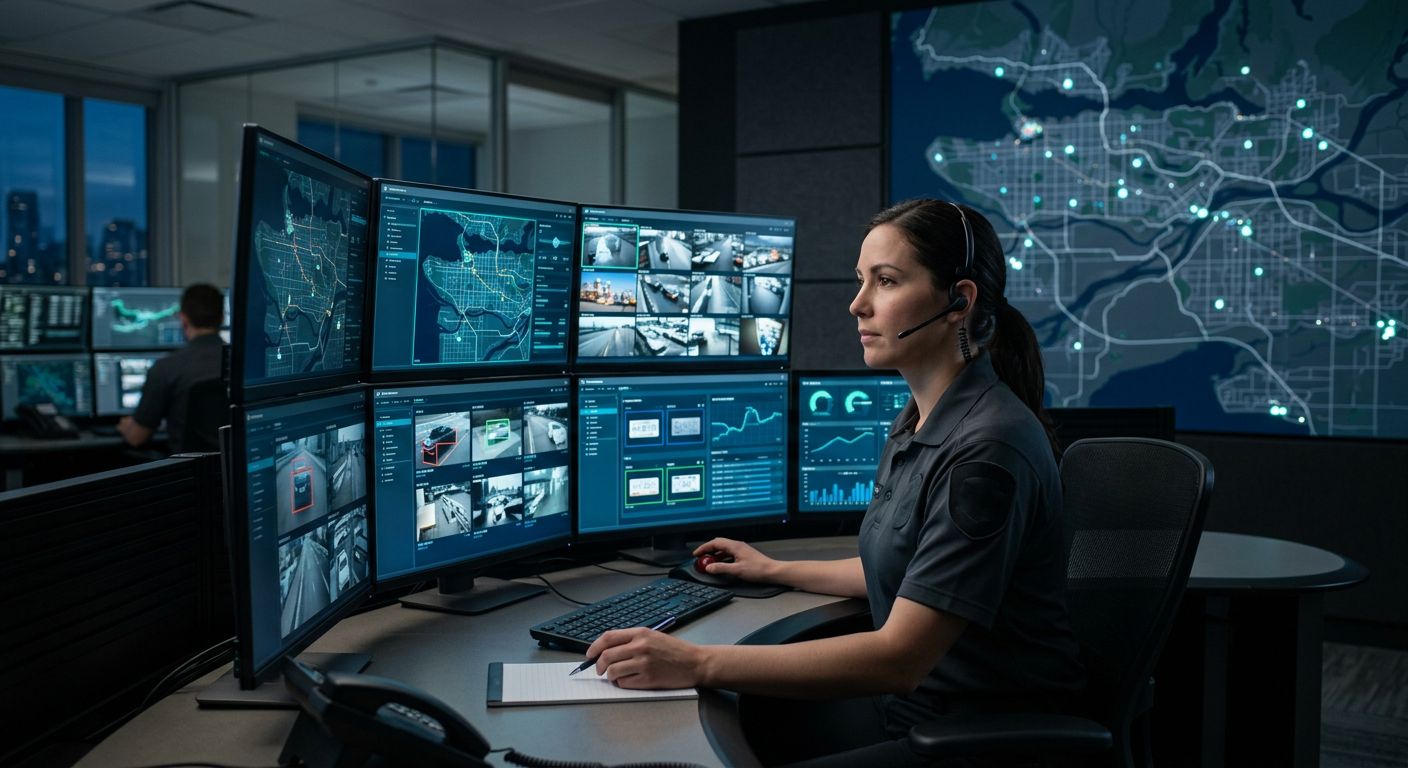
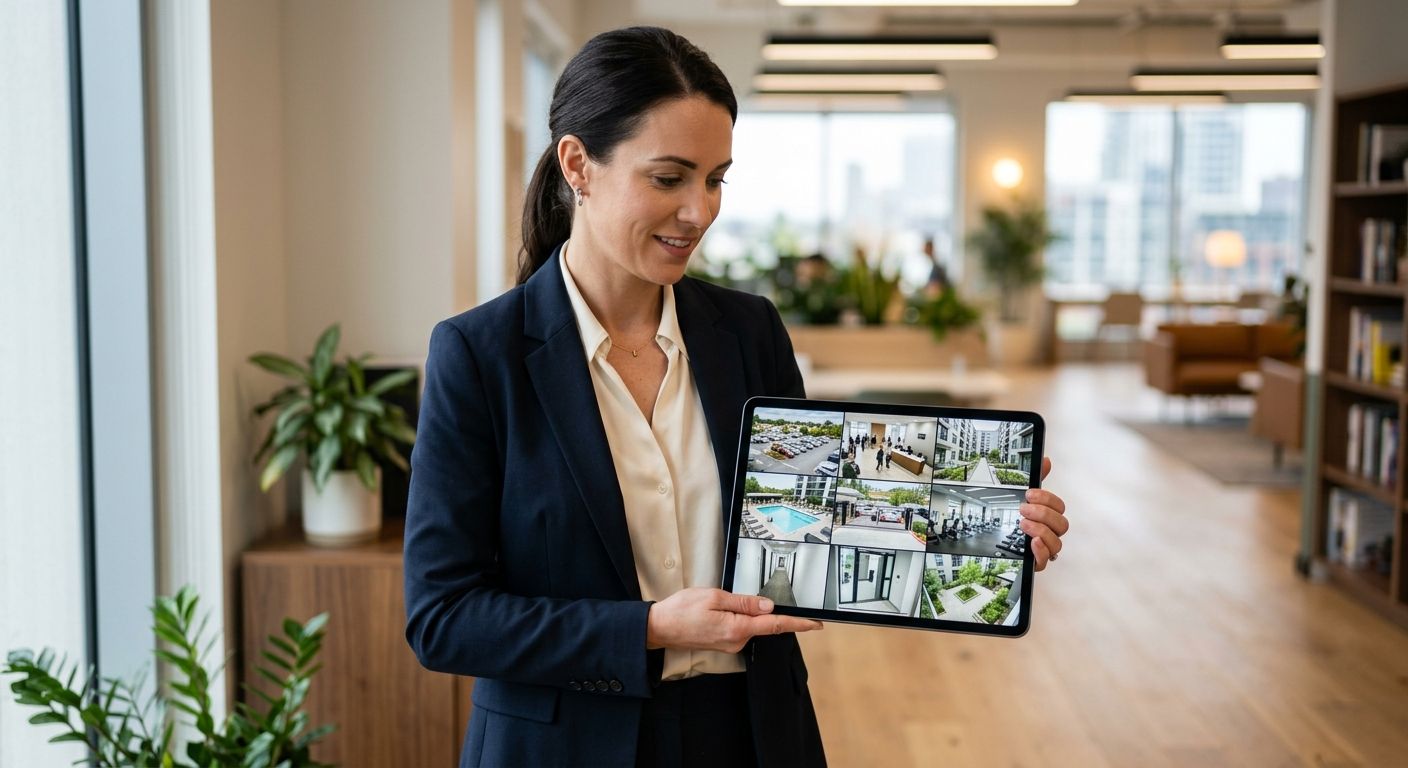
Our remote video monitoring is a proactive security solution that places live surveillance feeds under the watchful eye of trained interventionists at a central monitoring centre. The Canadian Security Association (CANASA) provides national guidelines and certification benchmarks that shape how these systems are deployed, ensuring a professional standard in live video monitoring across the country. When integrated with our existing access control and intrusion detection infrastructure, remote video monitoring services in Canada create a layered defence that helps property managers protect assets without multiplying staffing costs.
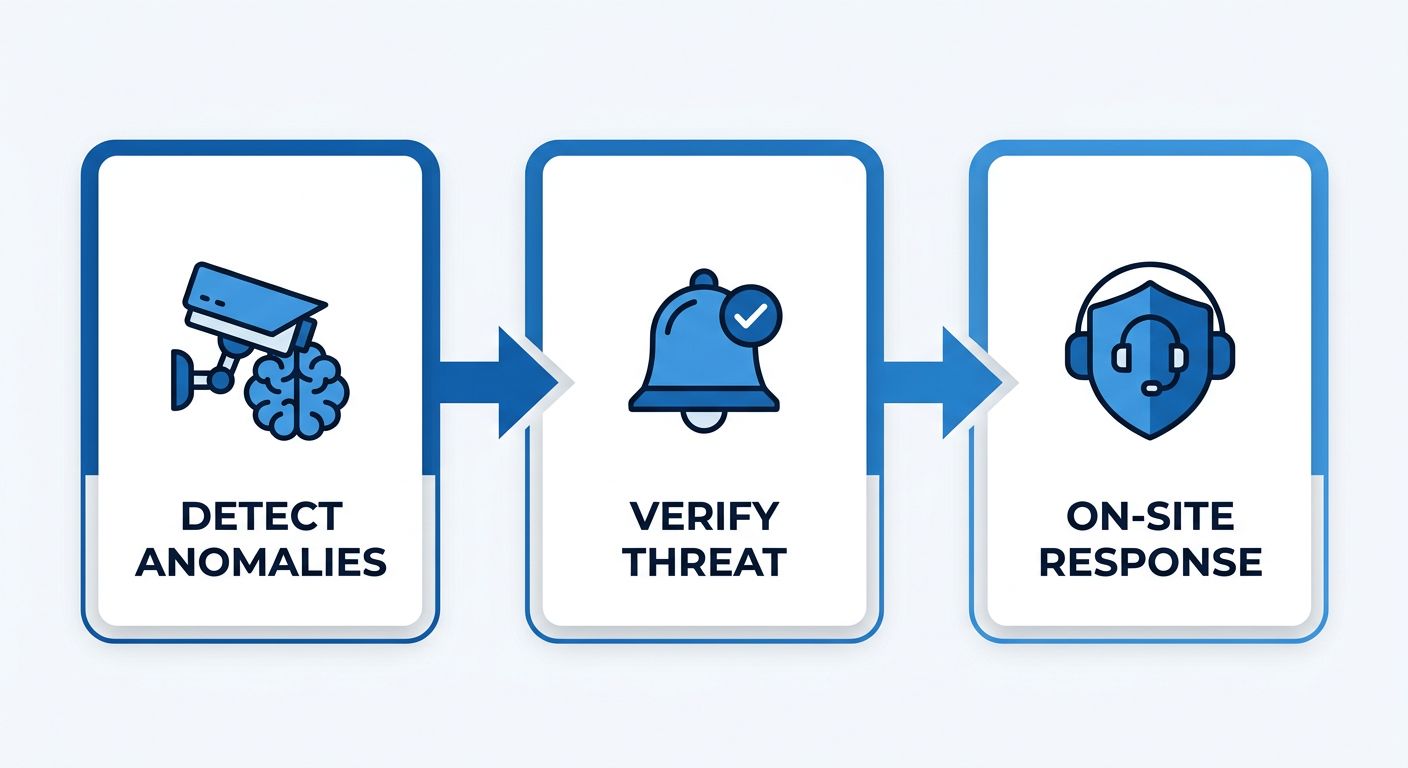
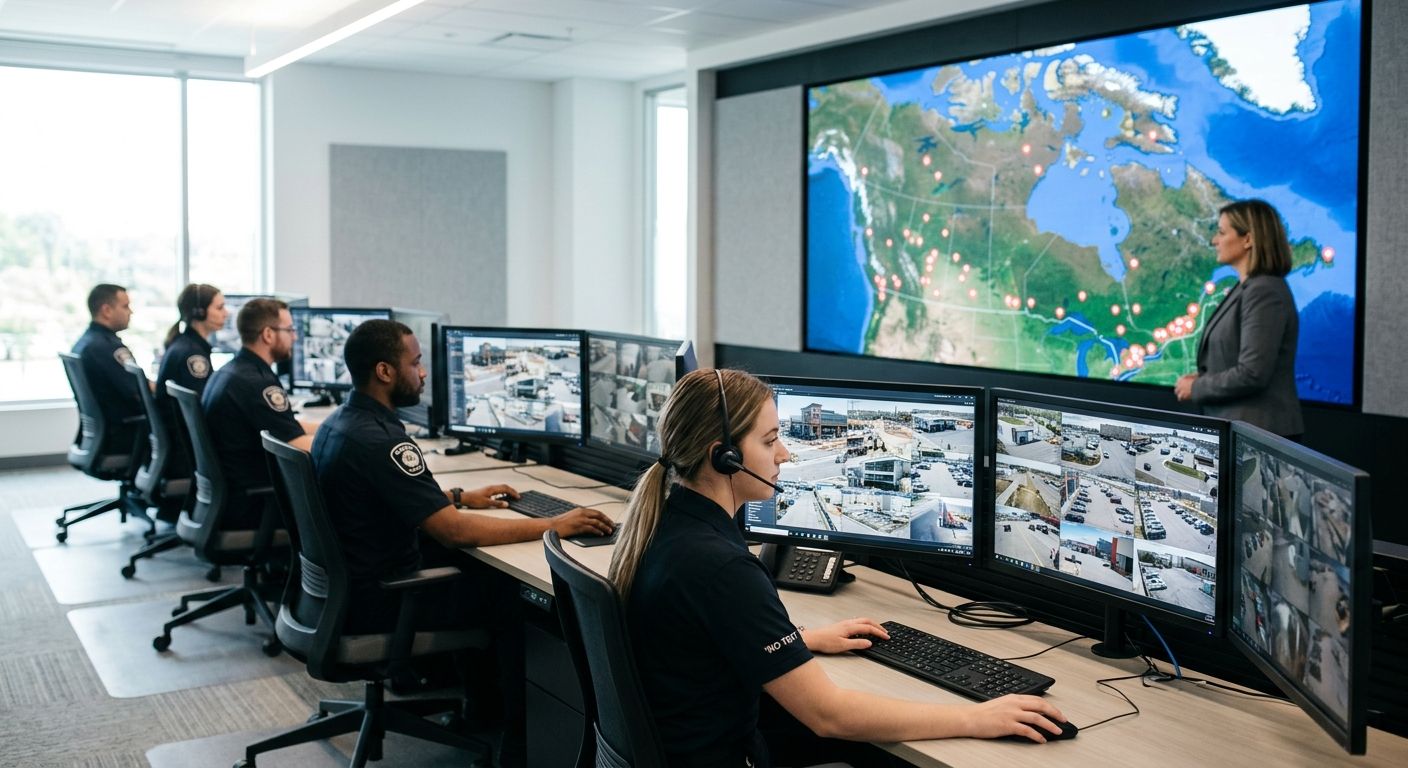
In practice, strategically placed CCTV cameras stream continuously to our operations centre, where agents verify alarms in real time and respond within seconds. If a security event is detected—whether it is a trespasser on a construction site or an unauthorized entry in a commercial complex—our team can issue a verbal warning through two-way speakers or escalate to local authorities. This rapid, eyes-on-response model makes remote video monitoring for property managers who oversee multiple buildings particularly effective, as a single team can watch several locations simultaneously and apply consistent security protocols across the portfolio.
Because remote guard services do not depend on physical presence, they offer a cost-efficient alternative to round-the-clock on-site guards. The same trained agents can monitor warehouses, parking lots, and multi-unit residential properties from anywhere, delivering reliable coverage that scales with your needs. We design every deployment around the reality that threats do not follow a nine-to-five schedule, so our system is built to be available anytime, anywhere.
Every alert we handle aligns with the best practices set by CANASA, reinforcing the professionalism behind each response. Your peace of mind flows from this combination of skilled human judgment and modern technology—a partnership that helps reduce risk while keeping your sites connected to a live security presence around the clock.
The Fundamentals of Remote Video Monitoring in Canada
As Canadian property managers face increasingly complex security challenges, technology offers a powerful solution that extends protection far beyond traditional methods. Remote video monitoring is a security system where high-definition cameras transmit live footage to a central monitoring station staffed by trained operators. Unlike conventional CCTV that simply records events for later review, remote video monitoring services Canada provide real-time oversight and the ability to intervene the moment a threat is detected.
The key distinction lies in how these systems respond to unfolding events. Active monitoring, also known as live video monitoring, empowers operators to watch camera feeds as incidents happen and take immediate action. Passive monitoring, in contrast, captures everything on a hard drive for forensic review after the fact. For Canadian properties seeking to prevent crime rather than simply document it, understanding this fundamental difference is essential.
The following table breaks down how active and passive approaches compare across five critical dimensions:
Active vs Passive Video Monitoring: Key Differences
| Feature | Active Monitoring (Live) | Passive Monitoring (Recorded) |
| Real-time Alerts | Immediate notification to monitoring centre and law enforcement upon detection of predefined events. | Alerts only when reviewing footage after an incident; no real-time notification. |
| Proactive Intervention | Two-way audio warnings, remote lockdown capabilities, and immediate on-site dispatch coordination. | No real-time intervention; footage used only for post-event investigation. |
| Monthly Cost | Subscription fee ranging from $200–$600 per month depending on number of cameras and level of monitoring. | Lower ongoing cost; typically no monthly fee beyond DVR/NVR maintenance. |
| Response Time | Seconds to minutes; monitoring agents react as events unfold. | Response only after human review of recorded footage, which may take hours. |
| False Alarm Reduction | AI-powered verification filters out environmental triggers (animals, weather) before alerting. | No filtering; all motion triggers recording, resulting in high false alarm rate. |
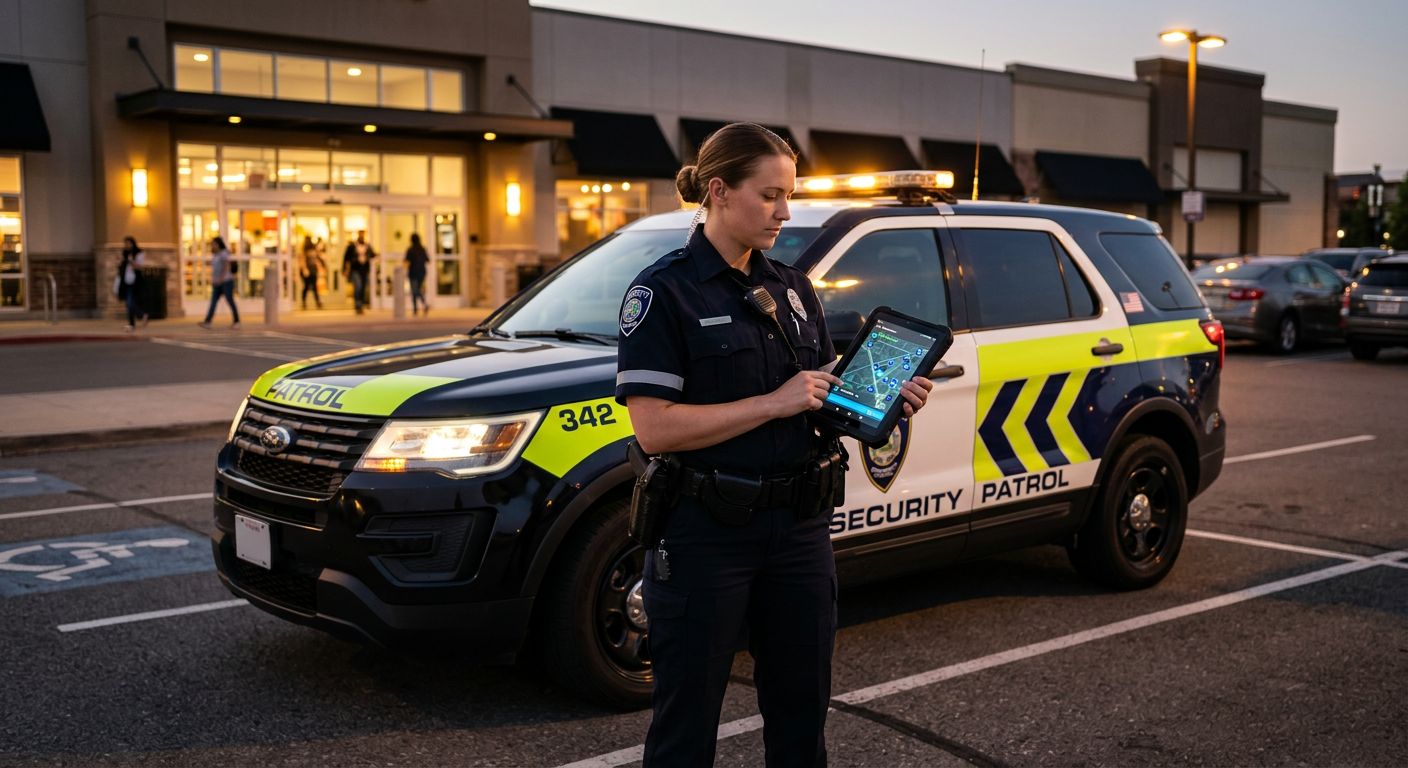
With live video monitoring for Canadian properties, a significant advantage becomes clear: the ability to act rather than simply observe. When our operators detect suspicious behavior, we can issue two-way audio warnings that often deter intruders before they breach a property. If the threat escalates, we coordinate immediately with on-site security personnel or dispatch mobile patrols to the location. This proactive capability transforms cameras from passive witnesses into active guardians.
Another critical advancement in remote security monitoring is the integration of artificial intelligence. AI-powered analytics automatically filter out environmental triggers such as animals, weather conditions, and shifting shadows that would otherwise generate false alarms. By presenting only genuine security events for human review, this technology dramatically reduces the noise that plagues traditional motion-based systems. The Canadian Security Association, which establishes industry standards across the country, recognizes AI verification as a best practice for modern monitoring operations.
We see remote guard services as a technology-enabled extension of traditional security guard deployments. Rather than replacing physical presence entirely, real-time camera monitoring complements on-site personnel by providing constant, wide-area visibility that even multiple guards cannot match. Cloud-based storage ensures that video evidence remains secure and accessible even if on-site equipment is tampered with or damaged, adding another layer of resilience to your security posture.
Your peace of mind comes from knowing that trained professionals are watching over your property at all times, ready to respond within seconds when it matters most. Now that you understand the fundamentals of remote video monitoring, let’s explore how Regent Security implements this technology for different property types, matching the right monitoring approach to your specific operational requirements. Unmatched security expertise means we design systems that integrate seamlessly with existing alarm and access control infrastructure, creating a comprehensive protective layer that works around the clock.
AI-Driven Video Surveillance: Deep Dive into Modern Property Safety
The shift from reactive monitoring to proactive prevention defines modern security strategy. For property managers and business owners across Canada, AI-driven video surveillance transforms how we think about safety by enabling systems that don’t just record events—they interpret them.
Remote video monitoring services in Canada have traditionally relied on human attention, but machine learning now empowers cameras to analyze scenes in real time, distinguishing between a genuine security breach and a false alarm. At Regent Security, we integrate these intelligent systems to ensure your property remains protected with precision and accuracy. The table below highlights the key differences between traditional CCTV and AI-powered monitoring.
Traditional CCTV vs AI-Powered Video Surveillance
| Capability | Traditional CCTV | AI-Powered Monitoring |
| Motion Detection | Triggers recording on any movement; high false alarm rate. | Distinguishes humans, vehicles, animals; event-based alerts only for genuine threats. |
| Object Classification | No classification; records everything. | Classifies objects in real time (person, car, animal) and triggers context-specific actions. |
| False Alarm Rate | High – triggered by animals, weather, shadows. | AI filters 95% of false events, drastically reducing nuisance alerts. |
| Cost of Ownership (3-year TCO) | Lower upfront equipment cost, but higher staffing and review costs. | Higher upfront investment but lower long-term operational costs due to automation. |
| Integration Capabilities | Limited; typically standalone DVR/NVR with basic recording. | Seamless integration with access control, alarm systems, and cloud platforms via APIs. |
The shift from basic motion detection to intelligent object classification changes how security teams respond. Rather than reacting to every alert, your team can focus on genuine threats that require immediate attention, knowing that AI-powered monitoring filters 95% of false events, as supported by industry standards from the Security Industry Association and CANASA.
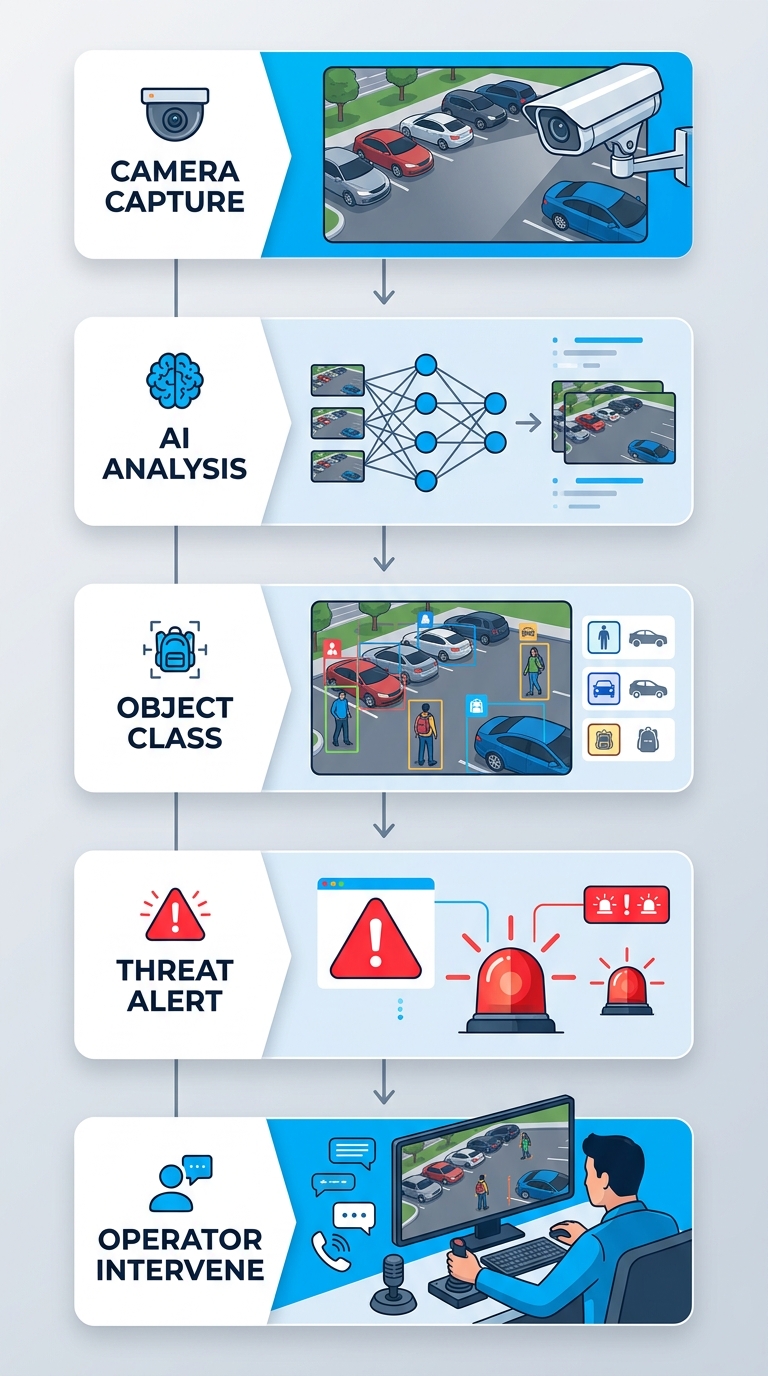
Real-time AI threat detection in remote video monitoring
How AI Algorithms Detect Threats in Real Time
AI-powered surveillance works by applying deep learning models that are trained on millions of labeled images. These models learn to recognize patterns, shapes, and movement characteristics unique to humans and vehicles, differentiating them from animals, shadows, or weather-related motion. According to Regent Security’s own resources on AI surveillance, this capability enables systems to issue alerts only when a genuine security concern arises. Live video monitoring becomes far more efficient when the technology filters out routine environmental movement before a human operator ever reviews the footage. The result is a dramatic reduction in nuisance alarms and a faster, more targeted response to actual threats.
Integrating Video Analytics with Access Control Systems
The true power of AI emerges when video analytics are unified with electronic access control. Imagine an unauthorized individual attempting to enter a restricted area. The camera’s AI engine detects the person, classifies the behavior as suspicious, and automatically triggers a door lockdown while sending a real-time alert with video footage to your security team. Facial recognition technology can verify credentials against an approved database, logging every entry and exit for a complete audit trail. For this technology to operate at its best, it must be reinforced by well-trained personnel. Regent Security ensures this by investing in certified security guard training in British Columbia, giving our professionals the skills to complement these automated systems with human judgment and decisive action.
The Role of Cloud Storage in Modern Surveillance
Cloud storage provides the backbone for scalable, accessible, and secure video management. In the past, on-site digital video recorders limited retention periods and created single points of failure. With cloud-based solutions, footage is encrypted using TLS and stored across redundant servers, protecting it from hardware theft or damage. Remote video monitoring services in Canada benefit especially from this model, as authorized users can access live feeds and historical recordings anytime, anywhere from a desktop or mobile device. For Canadian clients, data residency remains a critical consideration. Systems must comply with privacy regulations like PIPEDA, with data stored within Canadian borders and protected by role-based access controls. Remote guard services can then operate with full visibility, even across large, multi-site portfolios, without sacrificing security or compliance. This unified approach ensures your peace of mind, knowing that your surveillance infrastructure is both intelligent and resilient.
Implementing Remote Video Monitoring: Practical Steps for Property Managers
Transitioning from understanding the “why” to mastering the “how,” implementing remote video monitoring services in Canada is a strategic process that enhances any property’s security posture. For property managers, the journey begins with a clear assessment of your site’s unique vulnerabilities and operational goals. A successful deployment is not just about installing cameras; it involves integrating technology, human response, and existing infrastructure into a seamless security ecosystem. We recommend a phased approach, starting with a thorough consultation to map out a system tailored precisely to your needs.
Assessing Your Property’s Remote Video Monitoring Needs
A comprehensive security assessment forms the bedrock of an effective strategy. We begin every engagement by walking the property to catalog every entry point, from main lobbies and loading docks to emergency exits and rooftop access. Understanding these access vectors helps determine the number and type of cameras required. Equally critical is evaluating your existing camera infrastructure; we examine whether current analog or IP cameras can be integrated or if new high-definition units are necessary to capture forensic-quality evidence.
Beyond hardware, we work with you to pinpoint specific risk areas such as poorly lit parking structures, isolated storage rooms, or blind spots in perimeter fencing. Budget considerations are, naturally, a primary concern, and our consultation process is designed to provide a transparent, custom-quote that balances fiscal responsibility with robust coverage. We factor in the cost of potential upgrades, monitoring subscriptions, and any supplementary services.
Given that every property, from a boutique hotel to a multi-building commercial complex, has distinct requirements, we strongly advocate for a professional site survey. Our team at Regent Security can provide a no-obligation consultation to map out a solution. This ensures that you are not paying for unnecessary equipment or leaving critical coverage gaps that could be exploited. With our unmatched security expertise, we translate these assessments into a practical, scalable security blueprint designed for your peace of mind, anytime, anywhere.
Choosing Between Live Monitoring and Remote Guard Services
The decision between live video monitoring and remote guard services hinges on the desired level of proactive intervention versus observational vigilance. While both solutions offer substantial improvements over traditional on-site guards, they serve distinct operational functions and come with different cost structures. The following comparison table breaks down the three main security deployment models, using cost ranges from industry averages and Regent Security case studies.
Live Video Monitoring vs Remote Guard Services vs On-Site Guards
| Aspect | Live Video Monitoring | Remote Guard Services | On-Site Guards |
| Monthly Cost (Typical) | $300–$800 | $200–$600 | $4,000–$8,000+ |
| Coverage | Fixed camera views; limited to camera field of view. | Multi-site; can monitor several properties from one control room. | Single location; limited to guard’s physical patrol area. |
| Response to Incident | Immediate alert to monitoring centre; optional police dispatch. | Two-way audio intervention; dispatch mobile patrol if needed. | Immediate physical presence; guard can detain or intervene. |
| Best For | Retail stores, offices, parking lots. | Construction sites, multi-tenant buildings, after-hours coverage. | High-traffic events, hospitality, luxury retail. |
The cost disparity is significant, with remote solutions demonstrating that technology can reduce costs compared to maintaining a full-time physical guard presence. However, actual pricing will vary based on site complexity, and we emphasize the value of a custom quote to get precise figures for your property.
Live video monitoring excels for properties needing constant visual oversight and rapid verification of alarms. When a motion event triggers, a trained operator in a central station verifies the threat in real-time, filtering out false alarms and dispatching police only for confirmed breaches. This model is particularly effective for retail and office environments where the primary goal is deterrence and forensic capture. In contrast, remote guard services add an interventional layer. Through integrated two-way audio speakers, a remote guard can directly address intruders, issuing a live, verbal challenge that is often enough to stop a crime in progress. For construction sites or multi-tenant buildings with complex after-hours access policies, this service can manage visitor entry, monitor tailgating, and coordinate mobile patrol responses, providing a level of interaction that video-only monitoring cannot match. We guide you through these trade-offs to select the model that aligns with your security protocol and budget.
Step-by-Step Integration with Existing Systems
Integrating new remote video monitoring with your property’s current infrastructure requires a methodical plan. We follow a proven multi-phase deployment to ensure a smooth transition that minimizes operational friction. The process begins with a detailed site survey, where our field managers identify optimal camera placements that maximize field of view while respecting tenant privacy. During this phase, we also assess network requirements, ensuring your bandwidth can support high-definition video streaming to the cloud without compromising other IT operations.
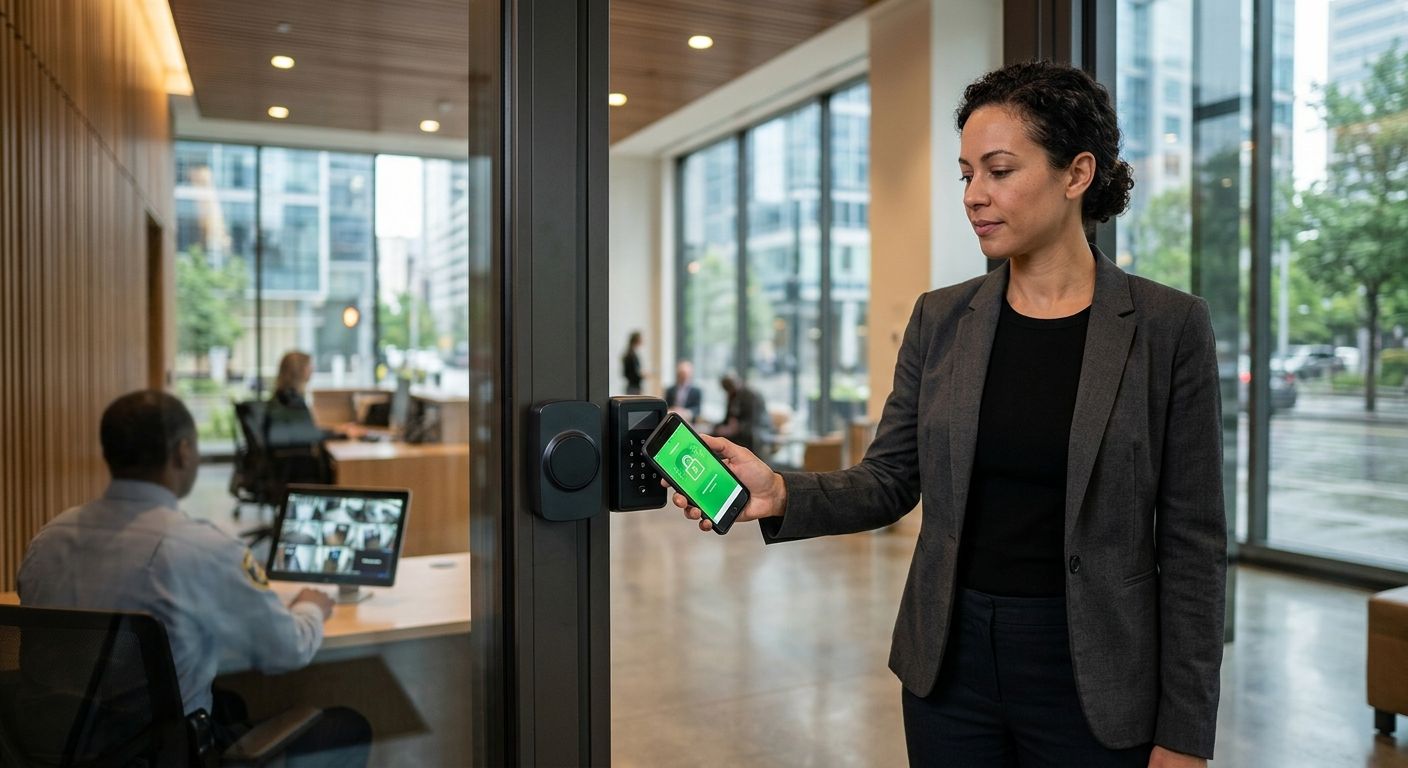
A critical component of this integration is synchronizing the video system with your commercial access control systems 2026. This creates a powerful, unified security layer where a door forced open or an unauthorized access attempt near a secure entry point instantly triggers a camera to focus and record, sending a live alert to our monitoring center with the associated video clip. This level of integration provides a complete audit trail, pairing access logs with visual verification. For a deeper dive, our resource on commercial access control systems outlines the features and deployment considerations for modern buildings.
Similarly, we integrate with existing intrusion alarm panels, allowing the video system to act as a secondary verification tool when an alarm signal is received. This drastically reduces false alarm dispatches and potential municipal fines. The final phase of the plan involves on-site staff training, ensuring your team knows how to operate the user interface for viewing live feeds, reviewing recorded footage, and managing basic system health checks. This comprehensive support approach means you are fully equipped to leverage the capabilities of remote monitoring services. With our 24/7 coverage and rapid deployment capabilities, this structured integration provides a seamless security upgrade built on a foundation of unmatched security expertise.
Trends in Unified Cloud Security Ecosystems for 2026
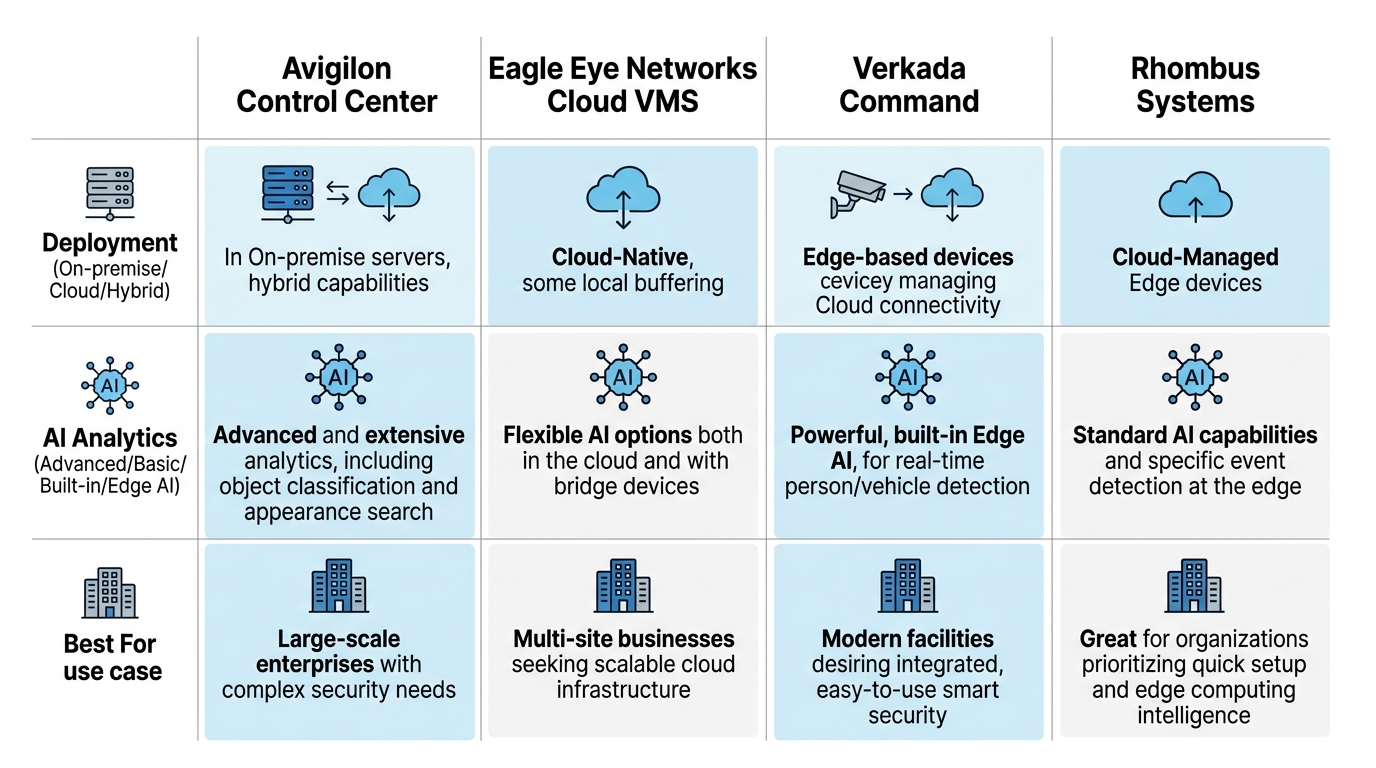
As Canadian property managers move beyond fragmented, on-premise systems, the next logical step is a fully integrated approach. Our analysis of the security landscape points toward unified cloud security ecosystems as the defining 2026 trend. This model converges video surveillance, access control, intrusion detection and remote video monitoring onto a single cloud-native platform. It replaces siloed hardware with seamless data sharing between cameras, sensors and response teams. For those exploring remote video monitoring services Canada, this evolution means faster, smarter and more scalable protection.
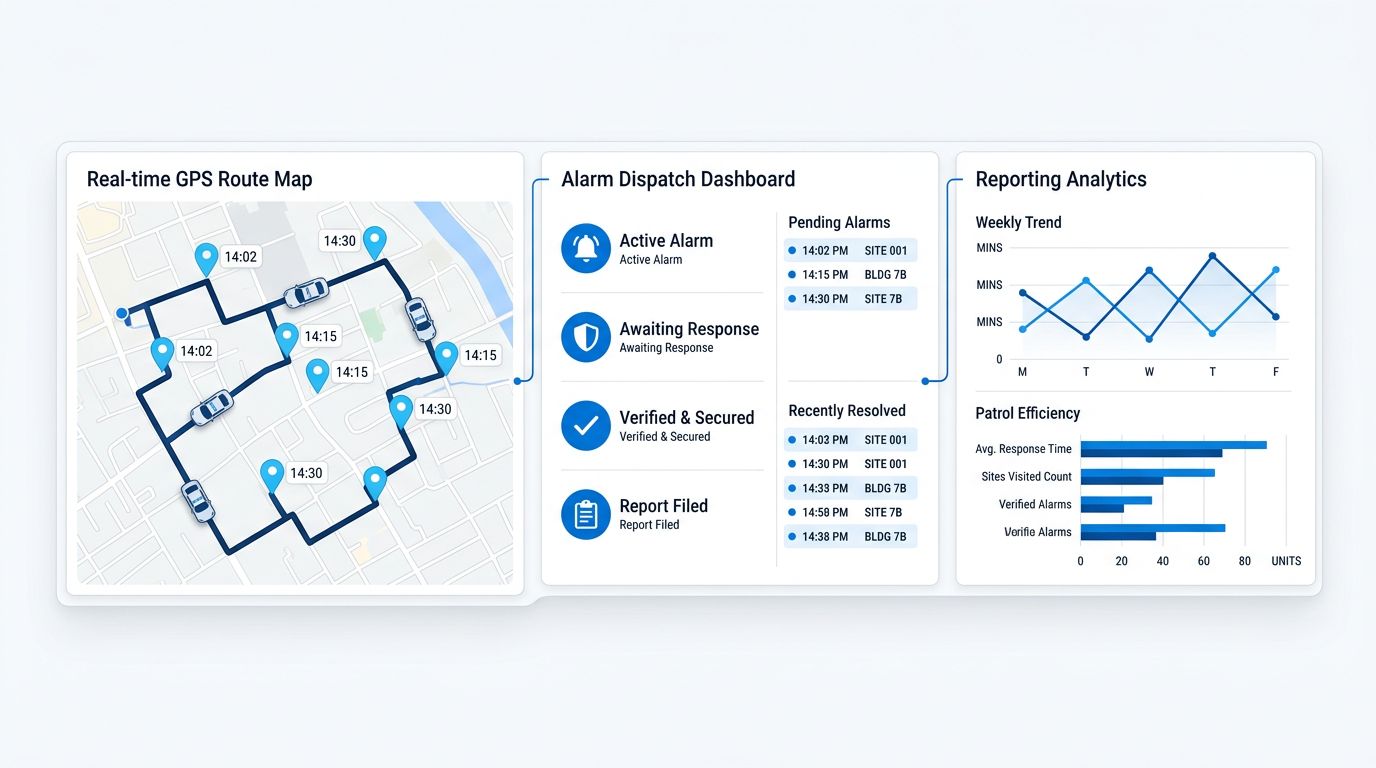
The shift from on-premise architecture to cloud-based management is dramatic. Centralized dashboards now give us real-time visibility across multiple sites, while edge processing and AI analytics work together to filter out false alarms. For example, AI-powered object detection can distinguish an employee working late from an unauthorized intruder. This intelligence is then routed instantly to a monitoring centre or mobile device, enabling a swift and appropriate reaction. The result is a system that learns and adapts over time, reducing alert fatigue and improving on-the-ground response.
- Integrated Platforms: combining video, access and intrusion alerts for one-screen management
- AI Analytics: flagging anomalies with context, cutting false alarms and manual review time
- Cybersecurity by Design: built-in encryption, zero-trust access and regular firmware updates that protect the platform itself
Another powerful force is the growing use of live video monitoring and remote guard services. When an alarm triggers, a licensed professional can assess the threat via live feed and respond verbally through on-site speakers or dispatch local patrols. This virtual guarding model blends technology with human judgment, making it a cost-effective layer for commercial buildings, construction sites and strata properties alike. It ensures that an alarm is never just a noise, but the start of a managed, documented intervention.
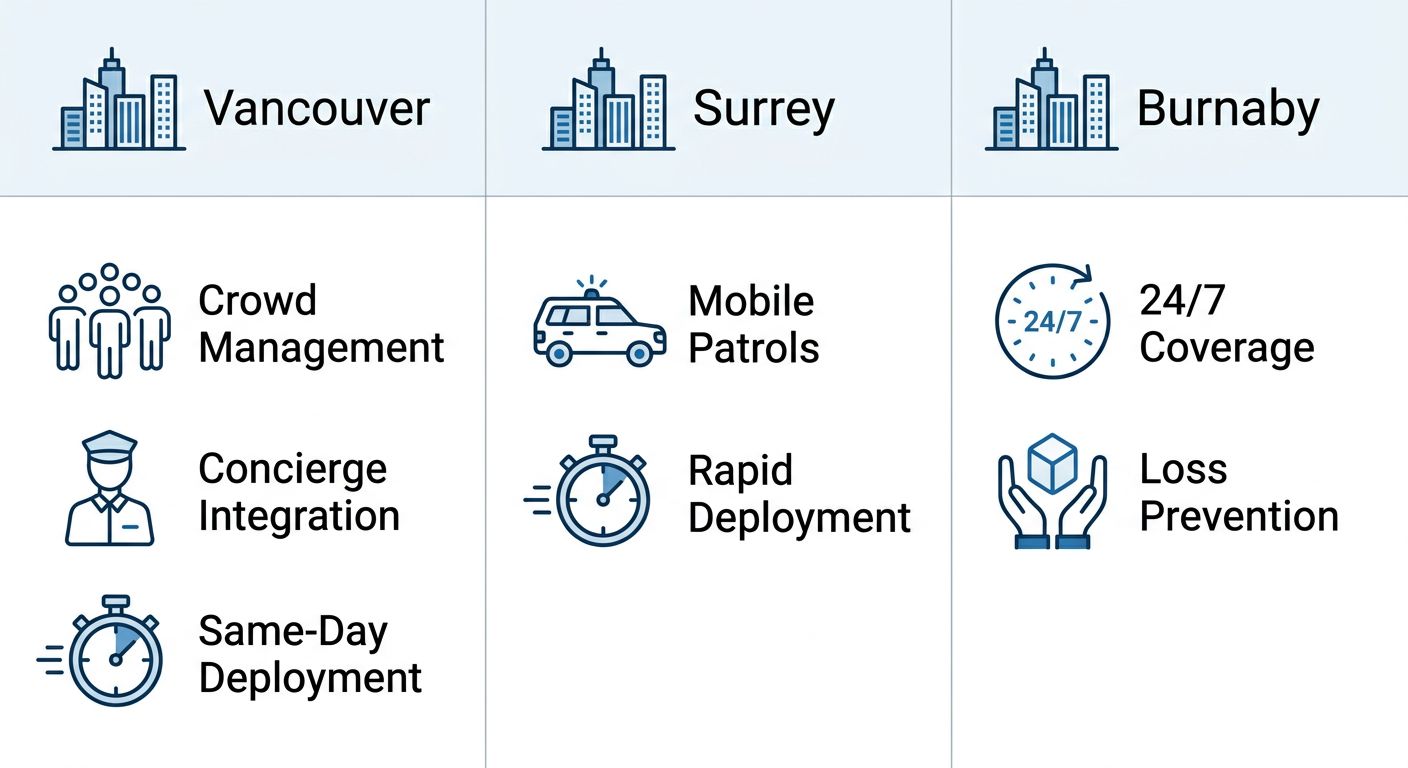
All of these trends reinforce a core operational truth: smarter ecosystems reduce hardware sprawl and centralize oversight. We see this already in Vancouver, where property portfolios use cloud dashboards to manage access, review incidents and audit safety compliance from a single pane of glass. As these ecosystems mature, the focus will remain on proactive threat detection and rapid, co-ordinated response. Regent Security continues to evolve alongside these innovations, combining 24/7 coverage with technology-enabled workflows so that our clients can truly experience your peace of mind, anytime, anywhere.
Frequently Asked Questions About Remote Video Monitoring in Canada
Many businesses have questions about how remote video monitoring services in Canada can enhance their property’s security. We have compiled the answers to the most common inquiries to help you understand our approach to modern surveillance.
What is remote video monitoring and how does it work?
Live video monitoring uses strategically placed cameras linked to an off-site security center, where trained professionals watch for suspicious activity around the clock. When a threat is detected, our team immediately assesses the situation and takes the protocol you have predetermined, from issuing audio warnings to contacting authorities.
How is remote video monitoring different from on-site security guards?
While both solutions protect your assets, remote monitoring provides a powerful complement to physical patrols.
- Broad, simultaneous oversight of an entire property versus a single guard’s patrol route.
- Immediate AI-assisted threat detection that can trigger instant alerts.
- A cost-efficient layer of security that reduces the need for extensive on-site personnel.
This makes remote guard services a highly effective deterrent, especially when integrated with mobile patrols.
What types of businesses benefit from remote video monitoring in Canada?
This service is ideal for properties that require comprehensive, verifiable security. Common applications include securing construction sites after hours, overseeing hotel lobbies and perimeters, managing access in multi-tenant commercial buildings, and protecting remote or industrial facilities where on-site staffing is impractical.
Does Regent Security offer live video monitoring services?
Yes, we do. Our remote monitoring solution is backed by licensed professionals and the latest in surveillance technology. With our 15+ years of experience and a customized setup, you gain a proactive security partner dedicated to your peace of mind, anytime and anywhere. To discuss a custom solution for your property, we invite you to contact us for a personalized quote.
Trust Regent Security for Your Remote Video Monitoring Needs
Reliable protection demands a partner you can count on, and Regent Security delivers professional remote video monitoring services in Canada grounded in real accountability. We are a fully licensed and insured security provider with the resources to deploy skilled teams at a moment’s notice. Our live video monitoring capability means your property is watched by trained eyes anytime, anywhere, giving you true confidence in your coverage.
With over 100 dedicated professionals and a track record of serving more than 1,000 clients, we offer remote guard services that integrate seamlessly into our broader security portfolio. Technology-enabled CCTV surveillance forms the backbone of our monitoring solutions, yet it is our rigorous operational standards that make the difference. Whether you manage a construction site, a commercial building, or a hotel, we tailor every plan to your specific risks.
Your peace of mind is our priority. Contact us for a personalized security quote that aligns with your exact requirements.
Resources